
Forestry Mulching & Land Clearing in Carrollton, MO
Bluff-edge timber and brushy ditch lines around Carroll County, ground down right where they stand.
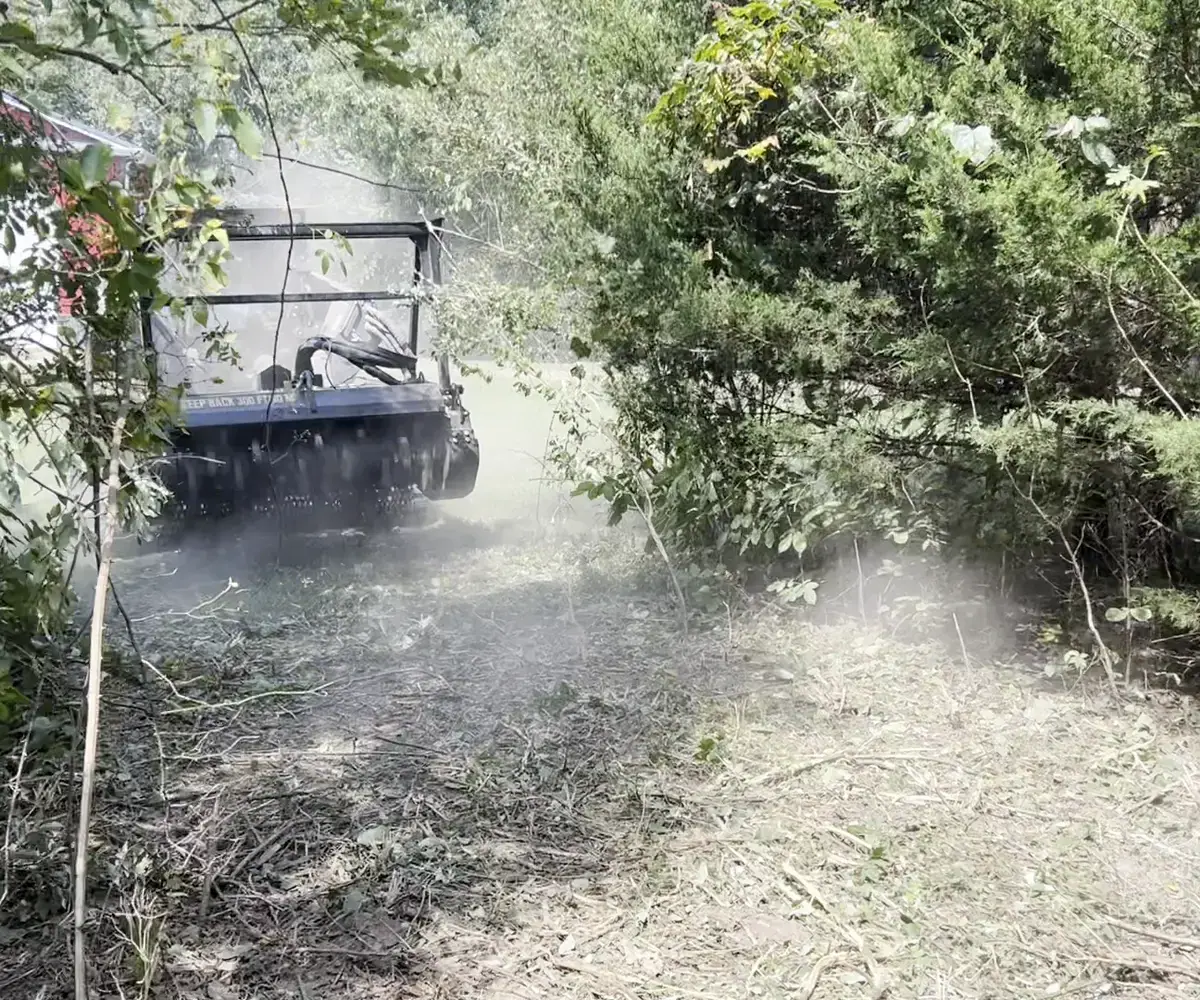
Land clearing in Carrollton, MO covers Carroll County ground along Highways 24 and 65, the Wakenda Creek valley, the Missouri River bottoms south of town, and the upland farms out toward Norborne, Bogard and Hale.
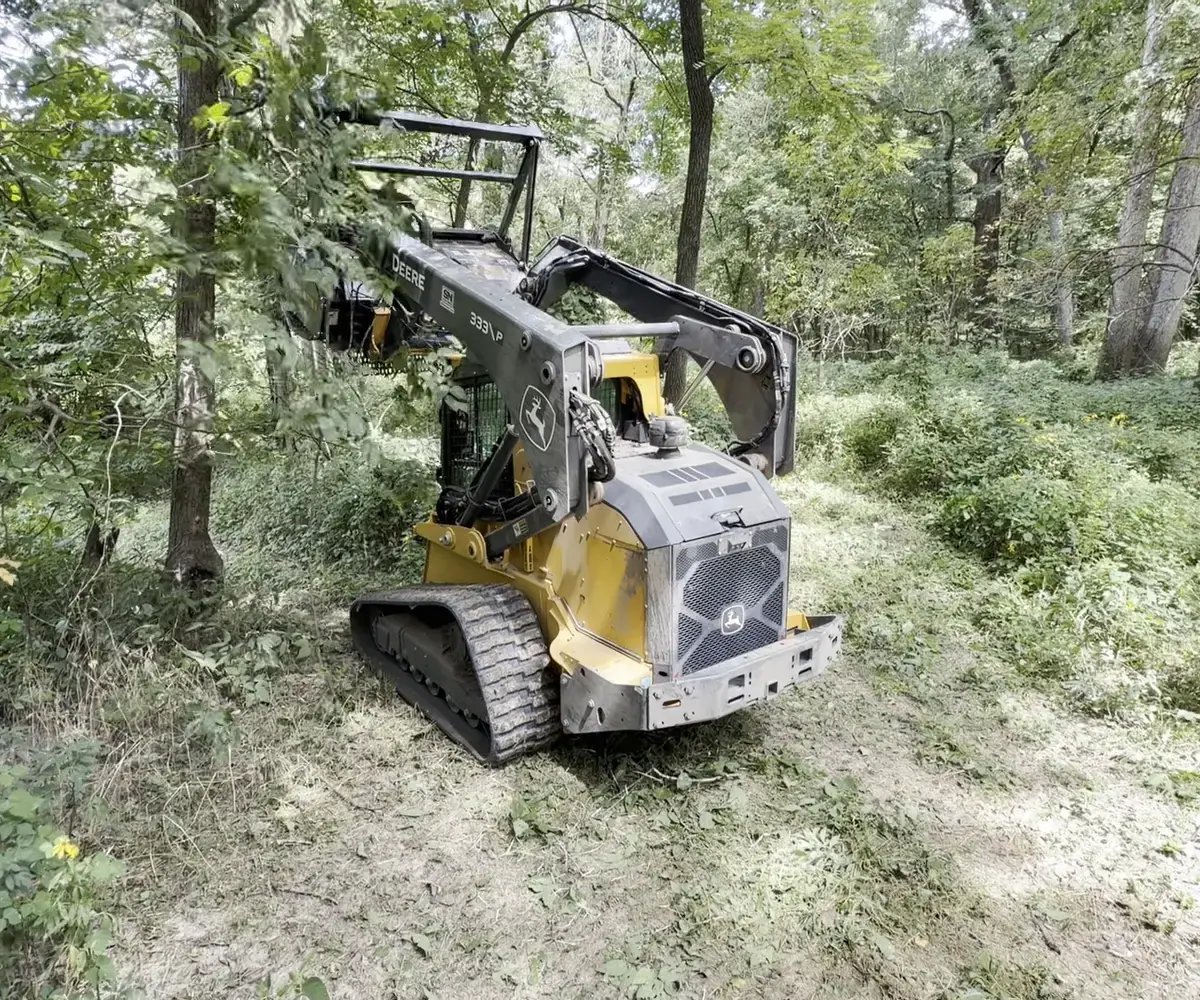
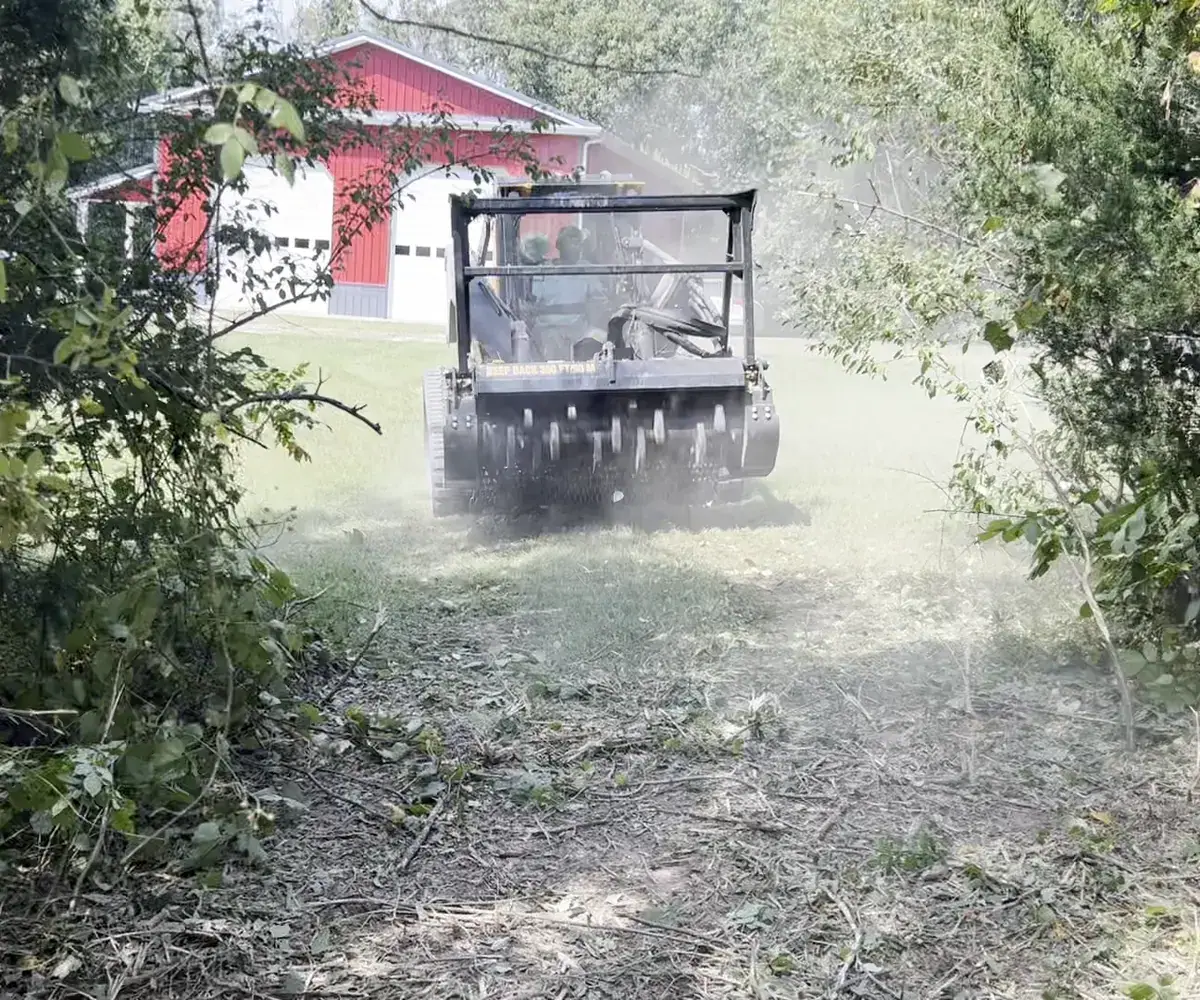
Forestry mulching around Carrollton, Missouri clears cedar, honeysuckle and volunteer trees from the hills north of town and from field edges in the Missouri River bottoms to the south. The forestry mulcher grinds brush where it stands. What is left lies on the ground as mulch. We do not burn it, and we do not haul it anywhere.
Carrollton: where the hills drop into the river bottoms
Carrollton is the Carroll County seat, and it sits right on the line between two very different kinds of country. South of town the Missouri River bottoms spread out flat and wide, mostly in corn and soybeans. North of town the land climbs into rolling hills with pasture and wooded draws. In between is a band of steep, timbered slope. Most of the brush trouble around Carrollton is on that slope and the hill farms above it. The ditch lines down in the bottoms are the other big source.
Wakenda Creek runs along the south side of Carrollton and goes under Highway 65 on its way to the Missouri. It floods, and the low ground along it stays wet after a big rain. Brush on that ground comes up in a hurry. It is mostly willow and cottonwood, with box elder and silver maple mixed in. Along the creek we wait for dry weather or frozen ground. Otherwise the tracks would cut ruts in that soft creek soil.
The bluff timber north of the bottoms is steep in places. On a slope like that, how you clear is as important as what you take out. Push brush with a dozer and you leave bare dirt, and bare dirt ends up in the fields below after the first storm. Mulching grinds the brush in place and keeps the soil covered. Rain hits the mat instead of the dirt. Grass gets a chance to root before the next storm comes through.
Up on the hill farms toward Bogard, Hale and Tina, it looks like the rest of north-central Missouri. Pastures go to cedar when they are not grazed hard enough. Fence rows tangle up with hedge and honeysuckle. Old farmsteads end up sitting inside a ring of volunteer trees. A forestry mulcher does well up there. The ground is open enough to move around in, and the brush can stay put as mulch.
Carrollton is about an hour west of our shop in Salisbury. You just go straight out Highway 24 through Brunswick and De Witt. That makes Carroll County an easy trip for us. Call or text and tell us what you have, and we will set up a free on-site estimate. We walk it with you and look at the slope and the soil, then talk over what stays and what goes. A few photos by text ahead of time help a lot.
Ditch lines in the Missouri River bottoms
The bottom ground south of town is some of the best crop ground around, and nobody wants to give up an acre of it. Brush comes in along drainage ditches and levee edges, and in the tree lines between fields. Owners usually want those edges pushed back so equipment has room to turn and the outside rows get sun. Clearing down there waits on the weather. River-bottom soil stays soft long after a rain.
These trees like wet feet and they grow fast. Willow and cottonwood come up thick on any ground that floods and then sits. Box elder and silver maple fill in along the ditches and the creek. All of those sprout again from the stump. A cleared ditch line needs mowing or spraying to stay open. Skip that for a few years and you are back to a wall of saplings shading the outside rows.
Cedar on the bluffs above Wakenda Creek
Climb up out of the bottoms and the land changes fast. First comes the steep, wooded slope. Above it the hill farms roll off with grass and timber mixed together. Cedar is thick on a lot of those hillsides, and bush honeysuckle fills in under the hardwoods. Clearing up there is mostly about getting pasture back and finding the fence lines again. Some folks just want their view back.
Cedar is the main thing on the hills. Birds spread it along fences, and it moves into any pasture that is not grazed hard. It is the simplest of the bunch to clear. Honeysuckle and multiflora rose are tougher, because they come back from the roots. Autumn olive does the same. Plan on a follow-up mowing or spray the season after we do the main clearing. On the steepest ground, the mulch layer earns its keep by holding the soil.
Bluff deer ground and old barn lots
Hunting ground is a big part of it. Timber along the bluffs and creek draws, with crop fields right below, makes good deer and turkey country. Owners want trails to stands and shooting lanes, and sometimes a small food plot opening tucked back in the woods. You flag what you want opened, and the machine cuts only that. The ground-up brush makes a soft trail floor. It is quiet to walk on, even in the dark.
Farm work is the other half. That might be a fence row that needs to be ready for new wire, or an old pasture opened back up for cattle. Some field edges just need pushing back to where they used to be. Some owners have an old house place or a barn lot swallowed by brush, and they want it cleaned up. Whatever the job, the brush stays on the land as mulch and nobody has a pile to burn.
Services in Carrollton
Forestry Mulching
Standing brush, saplings and undergrowth ground down into mulch where they stand. No burn piles, nothing hauled off.
Building Site Clearing
House pads, shop sites, barn sites and access lanes cleared and opened up so your builder or excavator can start on schedule.
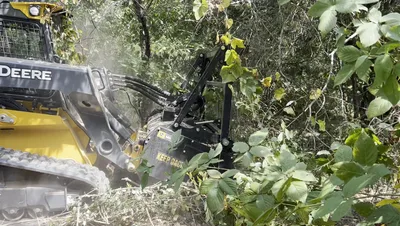
Brush Clearing
Fence lines, field edges, ditch banks and pasture reclaimed from honeysuckle, cedar, multiflora rose and volunteer brush.
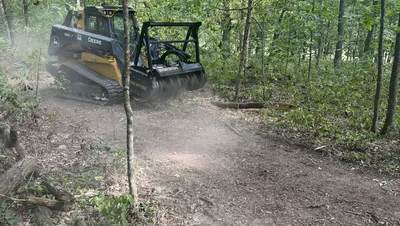
Trail Clearing
Shooting lanes, ATV and UTV trails, walking paths and access lanes cut through timber at the width you want.
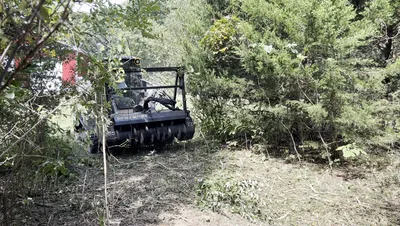
Fire Breaks
Fire breaks mulched around structures, timber stands and property lines ahead of prescribed burns or fire season.
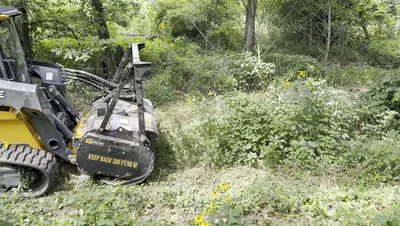
Small Tree Pulling
Small trees and cedars pulled root ball and all where a stump left behind would be a problem later.
General Land Clean Up
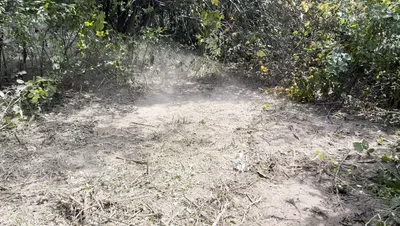
Storm debris, dead falls, old brush piles and the leftovers of a logging job cleaned up and the ground put back in order.
Communities We Serve in Carroll County
Need Help in Carrollton?
Free on-site estimates for all Carroll County properties. One crew, one machine, done.
Carrollton FAQ
Common questions from property owners in Carrollton, Missouri.
Carrollton is about an hour west of our shop in Salisbury, straight out Highway 24. Carroll County is part of our regular area. Call or text and tell us what you have and where it is. We will set up a free on-site estimate and tell you what the drive adds before anything gets scheduled.
Yes, once the ground is firm enough. Wakenda Creek floods. The low ground along it can stay soft a long time after a rain. Dry stretches in late summer and fall are the best times. So is frozen ground in winter. We keep the machine out of the water, and the banks get a cover of mulch.
Often, yes. The forestry mulcher runs on tracks and handles a good bit of slope. Some spots are too steep or too rocky to run safely. We will point those out when we walk the ground with you. On the slopes we can work, the mulch we leave behind helps keep the soil from washing down into the fields.
Yes. Ditch lines and tree rows in the bottoms make good mulching jobs. The machine grinds the saplings and brush, and you decide whether the bigger trees stay. Willow and cottonwood will sprout again, and box elder too. Plan to mow or spray the edge after we finish if you want it to stay open.
It stays right there. The forestry mulcher grinds brush and small trees into chips that spread out over the ground. We do not pile it, burn it or haul it off. Over the next couple of years the mulch rots down into the soil. Grass usually pokes through the thin spots within a season. The thick spots take longer.
We like late winter better for hunting ground. With the leaves off, lanes and trails are easy to lay out, and the woods have all spring and summer to settle before season. Fall work can push deer around right when you want them calm. Call early, since late winter fills up fast.
Nearby Service Areas
Last updated
Clear Your Carrollton Property
Mid Missouri Forestry Mulching serves Carrollton, Missouri and all of Carroll County. Free estimates.
Serving Boone County and mid-Missouri · Estimates by appointment — call or text