Forestry Mulching & Land Clearing in Sedalia, MO
Old prairie country where cedar and hedge have filled in the pastures and the creek bottoms.
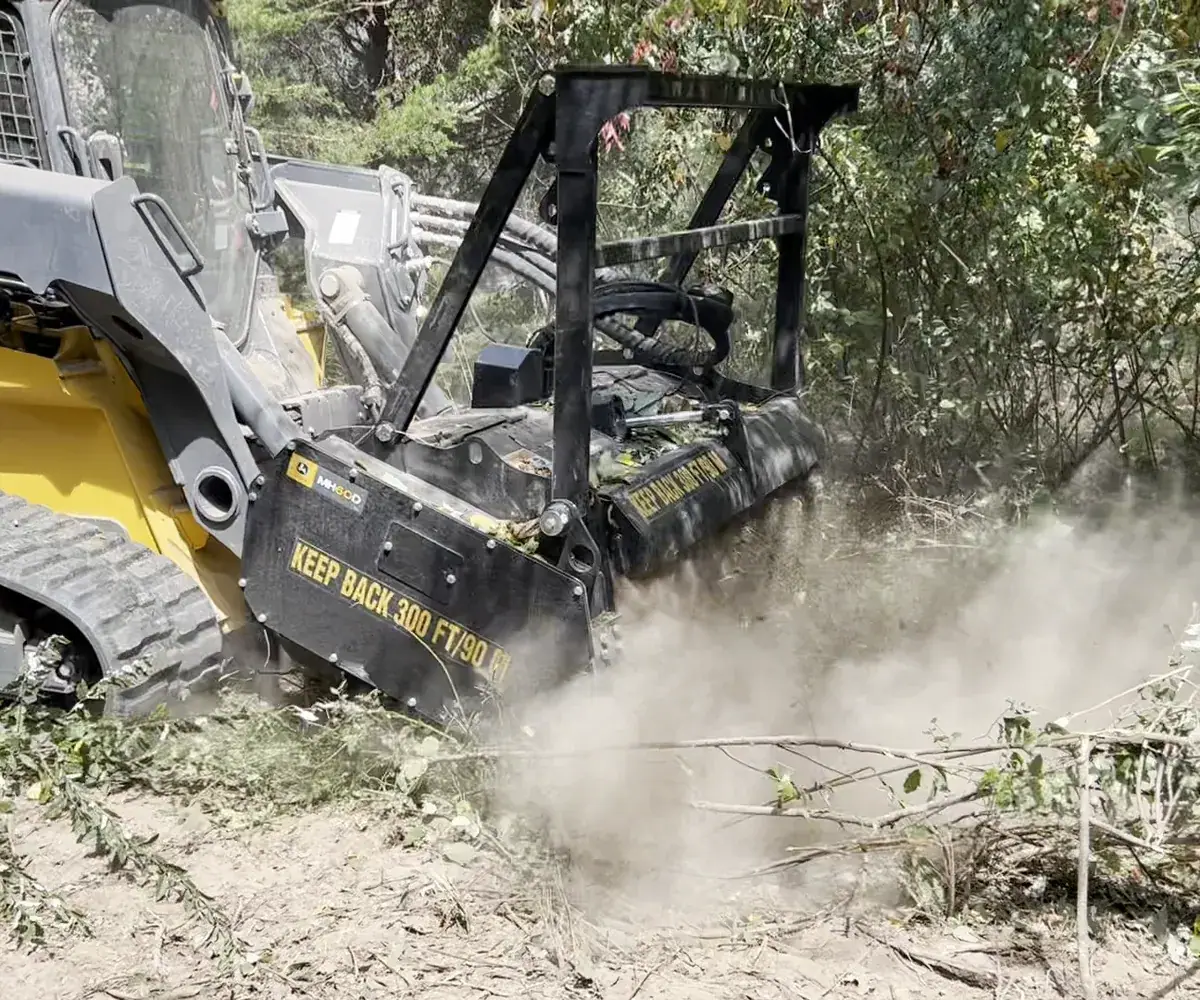
Land clearing in Sedalia, MO covers Pettis County prairie and pasture along Highways 50 and 65, along with the timbered creeks that drain east toward the Lamine River. We also clear acreage near the Katy Trail.
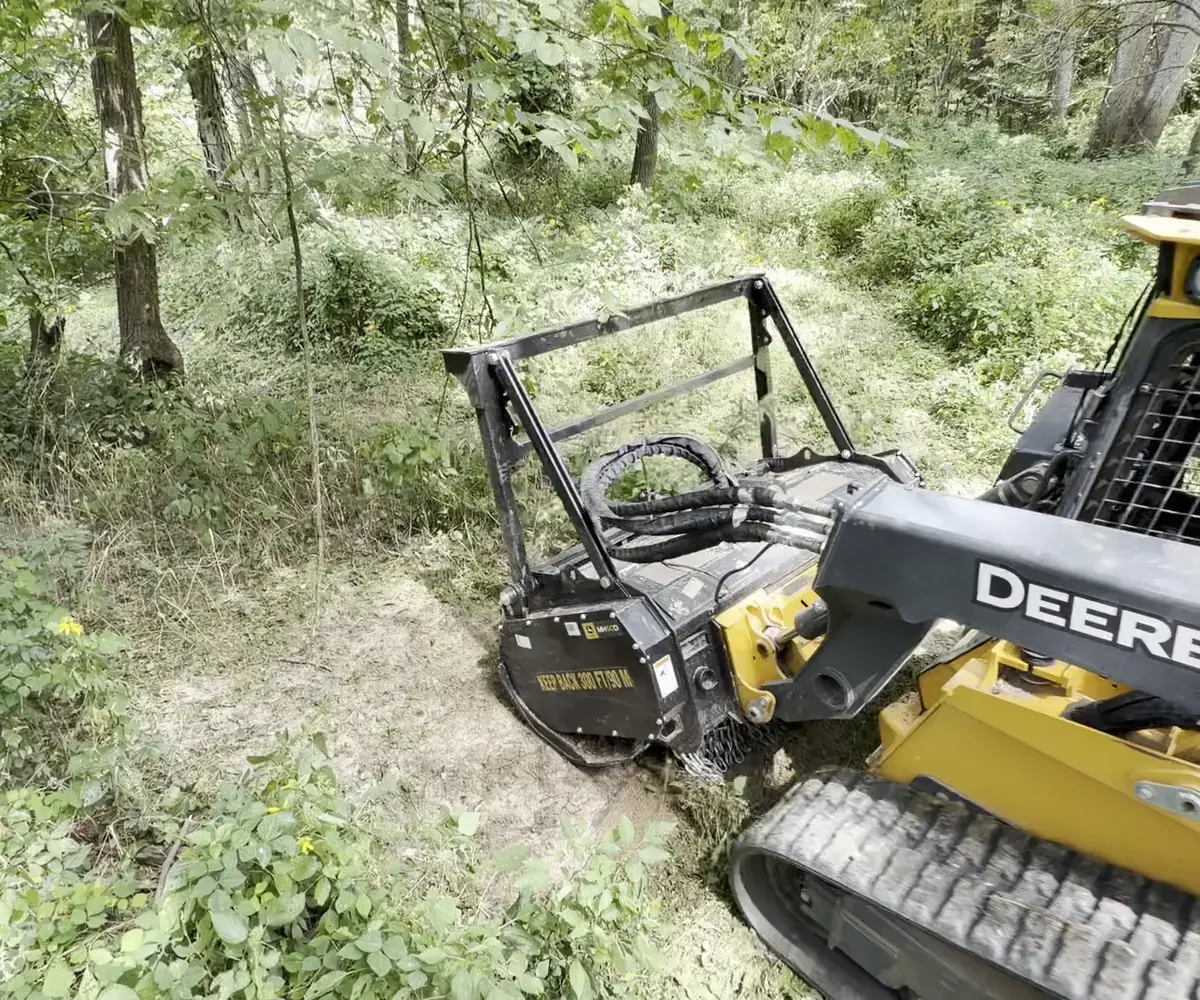
Forestry mulching around Sedalia, Missouri clears eastern red cedar and osage orange from the rolling prairie pastures of Pettis County, plus the brush along its fence rows and creeks. The mulcher grinds it into chips where it grows. Nothing gets piled or burned. With the trees gone, the grass underneath gets sun again and the pasture has a chance to recover.
Sedalia: Prairie Country Gone to Cedar
Sedalia is where the Missouri State Fair happens, and before anybody farmed it, the country around town was tallgrass prairie. You can still see a piece of that prairie south of town at Paint Brush Prairie Conservation Area, off Highway 65. On private land it's a different picture. A lot of the old prairie and pasture has slowly filled in with cedar and hedge. Sedalia is newer ground for us. It's about an hour and a half from our shop in Salisbury, down through Marshall on Highway 65. Because of that, we plan Pettis County trips around full days of work.
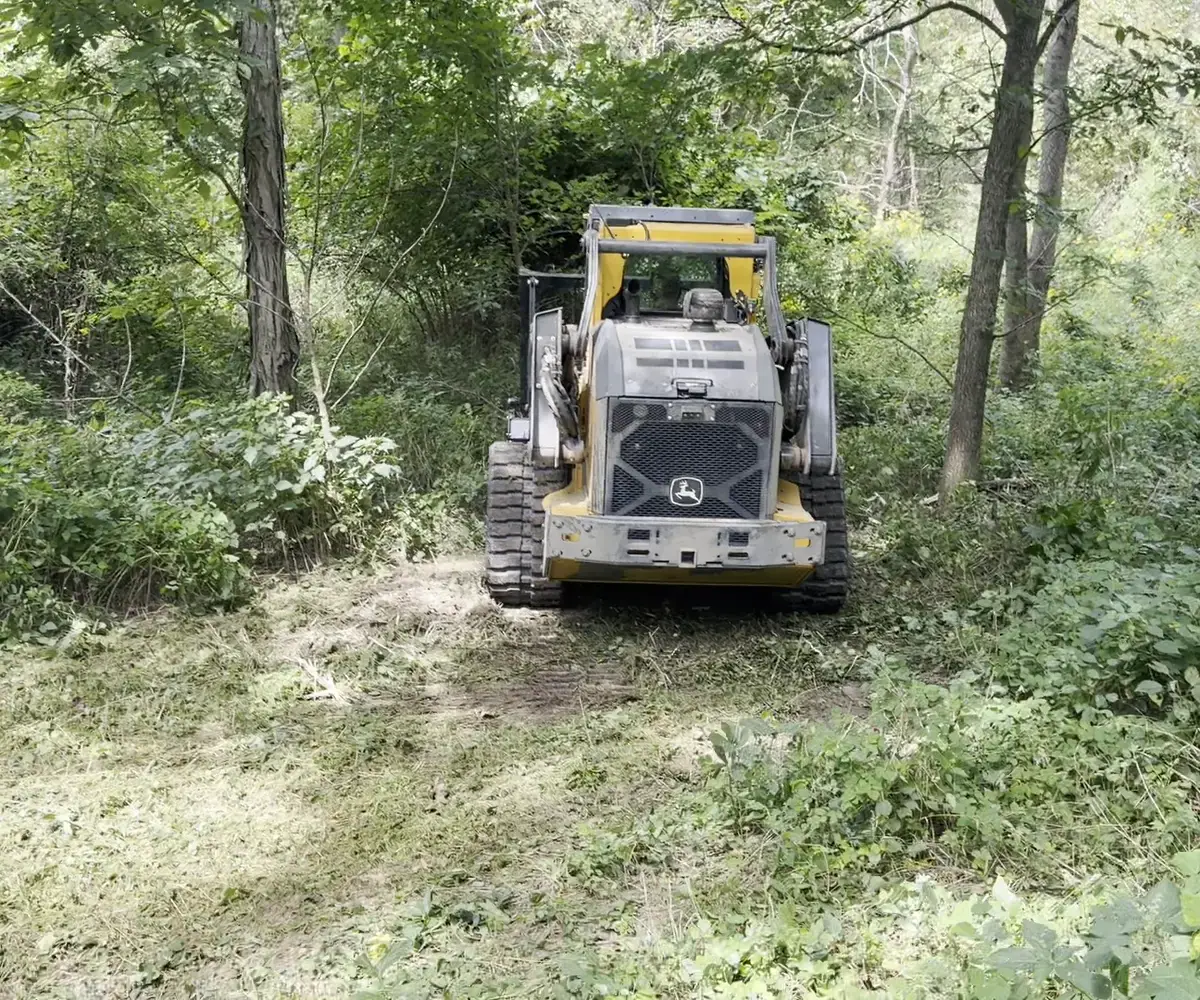
Prairie grew up with fire. Every few years a fire would run across it and kill the young cedars before they got anywhere. Most private land in Pettis County doesn't get burned anymore, so cedar has had free run of the pastures and hay ground. A twenty-acre field can go from a few scattered trees to a thicket in one owner's lifetime. Getting the cedar off is where you start if you want that grass back.
Under a stand of cedar, the grass roots are often still alive, just starved for light. Once the mulcher takes the trees down, the pasture can thicken back up in a season or two. Some owners keep it that way with a planned burn every few years, which knocks back new seedlings the way prairie fire used to. A cleared fire break around the field makes that burn a lot easier to control.
Pettis County is cattle and hay country as much as crop country, and that shapes what people want. Ranchers want pasture they can graze edge to edge, with fence lines they can actually get to and fix. Hay growers want clean field edges with no limbs hanging out over the rake. On rolling ground like this, a tracked mulcher can work a fence line or a whole pasture without the ruts and piles a dozer leaves.
There are also a lot of country homes on a few acres around Sedalia, out along Highway 50 and Highway 65 and the roads in between. Those owners mostly aren't farming. One wants the brush gone from behind the shop. Another wants a lane opened to the back pasture. Somebody else just misses the sunset the cedars have blocked out over the years. Small jobs like that can be grouped into one trip.
Highway 65 down from Marshall
Highway 65 is the main north-south road here. It runs up to Marshall and south past Paint Brush Prairie toward Warsaw. Highway 50 crosses it in Sedalia. Go west on 50 and you pass La Monte on the way to Knob Noster. Go east and you're headed through Smithton toward Jefferson City. Smaller towns like Hughesville and Houstonia sit off these roads. Each one has farm ground around it that has slowly gone to cedar as the fields went unmowed.
The Katy Trail runs right through Sedalia, past the old Katy Depot, and on east toward Clifton City and Boonville. Land along a trail like that draws people who want a quiet place close to somewhere to ride or walk. Those owners often ask us to open up the woods behind the house. They don't want smoke or a brush pile drifting across the trail, and with mulching there won't be one.
Hedge walls on the old prairie
Out in the open pastures it's cedar first, then osage orange in the fence rows. Hedge got planted here as fencing back when the prairie had hardly a tree on it. Many of those rows are wide walls of thorny trees now. Honey locust and buckbrush fill in the gaps. The mulcher grinds all of it where it stands. Hedge and locust will sprout back from the roots, so plan on a follow-up treatment.
The creek bottoms that wind east toward the Lamine River are a different story. The trees get taller down there. You'll see walnut and silver maple, with honeysuckle and multiflora rose underneath. Some owners want to get to the water again. Others want a good fence to keep cattle out of the creek. The mulcher takes out the low brush and leaves whatever big trees you mark for us.
Cedar pastures and burn-line work
Around Sedalia, the big job is pasture recovery. Picture a field that used to carry cattle and is now full of cedar, with thin grass between the trees. The mulcher works across it and grinds every cedar down. The chips get spread over the ground where they fall. With the shade gone, the grass finally has a shot. Overseeding the thin spots a year or two later can help it along.
Hunting ground comes up a lot too. The timbered creeks and draws in the county hold deer and turkey, and owners want trails back to their stands or shooting lanes cut through cedar. Fire breaks fit here as well. If you're planning to burn a prairie or a pasture, a cleared strip around the edge gives the fire somewhere to stop before it gets into the woods or a neighbor's fence.
Services in Sedalia
Forestry Mulching
Standing brush, saplings and undergrowth ground down into mulch where they stand. No burn piles, nothing hauled off.
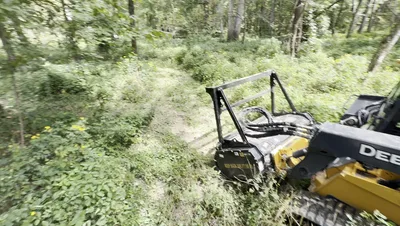
Building Site Clearing
House pads, shop sites, barn sites and access lanes cleared and opened up so your builder or excavator can start on schedule.
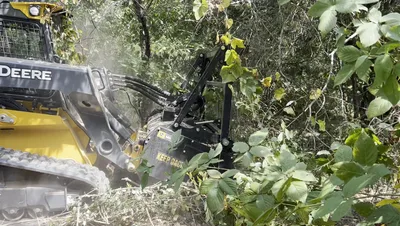
Brush Clearing
Fence lines, field edges, ditch banks and pasture reclaimed from honeysuckle, cedar, multiflora rose and volunteer brush.
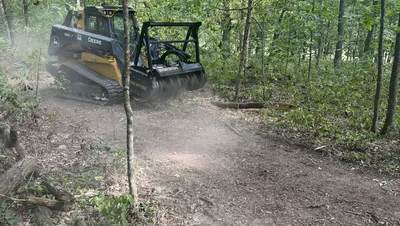
Trail Clearing
Shooting lanes, ATV and UTV trails, walking paths and access lanes cut through timber at the width you want.
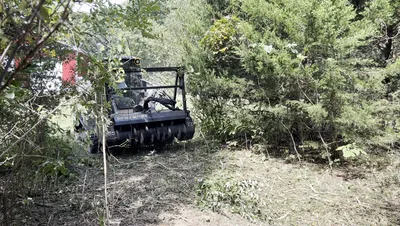
Fire Breaks
Fire breaks mulched around structures, timber stands and property lines ahead of prescribed burns or fire season.
Small Tree Pulling
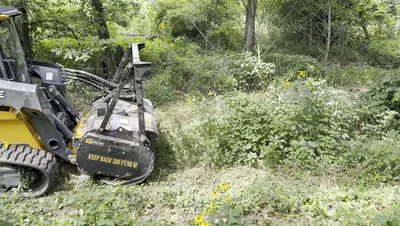
Small trees and cedars pulled root ball and all where a stump left behind would be a problem later.
General Land Clean Up
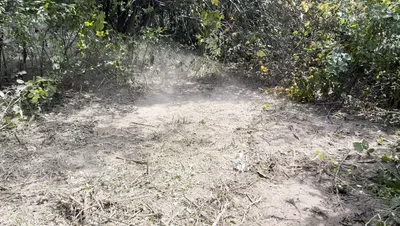
Storm debris, dead falls, old brush piles and the leftovers of a logging job cleaned up and the ground put back in order.
Communities We Serve in Pettis County
Need Help in Sedalia?
Free on-site estimates for all Pettis County properties. One crew, one machine, done.
Sedalia FAQ
Common questions from property owners in Sedalia, Missouri.
Our shop is in Salisbury. Sedalia is about an hour and a half away, down through Marshall on Highway 65. That travel time goes into the quote, so Sedalia jobs make the most sense when there's a good day of work or more. If a neighbor needs clearing too, putting you both on the same trip helps keep the cost down for each of you.
Often, yes. Cedar shades the grass out slowly, and the roots are usually still down there under the trees. Once the mulcher takes the cedar off, sun hits the ground again and the stand can thicken up within a season or two. Thin spots may need overseeding. Keep an eye out for new seedlings in the years after.
Fire is good on young cedars, but it won't kill the big ones, and it's risky near houses and roads. A lot of owners mulch the large cedars first and use planned burns later to keep the seedlings down. If you plan to burn, talk to the Missouri Department of Conservation about a burn plan. Ask us about fire breaks while you're at it.
Yes. Osage orange is hard, thorny wood, and grinding it is what a mulching head is built for. Nobody cuts it by hand, and you don't end up with a thorny brush pile to burn. Hedge will sprout back from the stump, though. If you want the row gone for good, plan to spray the sprouts after we clear it.
We clear private land, and that includes acreage that borders the trail. We stay on your side of the line and don't work on the trail itself, since it belongs to the state park system. Mulching makes sense next to the trail because there's no smoke and no burn pile for people walking or riding by to deal with.
Late summer through winter is often the best window. The ground is drier or frozen, so the tracks leave less of a mark, and nesting season is over. Spring clearing can work on dry ground that drains well. When we come out for the free estimate, we'll look at your land and tell you what timing we'd suggest.
Nearby Service Areas
Last updated
Clear Your Sedalia Property
Mid Missouri Forestry Mulching serves Sedalia, Missouri and all of Pettis County. Free estimates.
Serving Boone County and mid-Missouri · Estimates by appointment — call or text